
Używamy plików cookie w celu zapewnienia funkcjonalności naszej strony internetowej. Po wyrażeniu przez użytkownika jego zgody na takie działanie, wykorzystujemy je do analizy ruchu na stronie i personalizacji reklam na platformach reklamowych stron trzecich, zawsze zgodnie z zasadami Polityki prywatności.
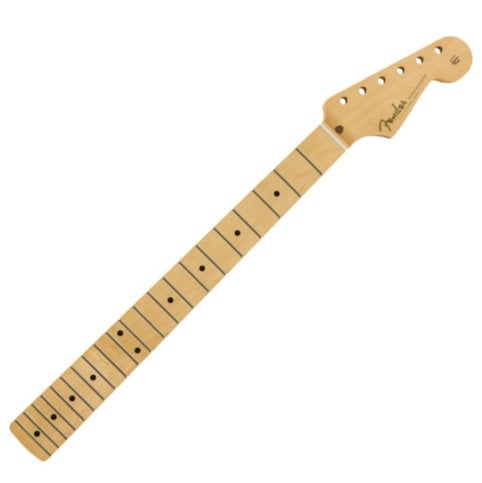
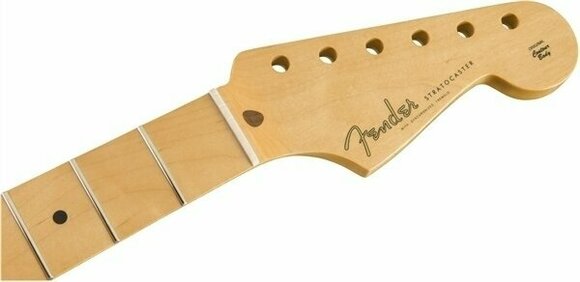
Fender Classic Player 50's Stratocaster 21 Klon Gryf do gitar
1 769 zł
Zalecana cena detaliczna: 2 349 zł
Samodzielna częśc do gitary elektrycznej, gryf gitarowy Fender Classic Player 50s Stratocaster o profile Soft V, z radiusem 241 mm, menzura 648 mm. Gryf jest osadzony klonową podstrunnicę z 21 medium jumbo progami. Wzmocnienie bullet style. Intarzia czarne kropki. Siodełko z kości syntetycznej o szerokości 42 mm. Wykończenie naturalne, lakierowane.

Fender Classic Player 50's Stratocaster 21 Klon Gryf do gitar
Samodzielna częśc do gitary elektrycznej, gryf gitarowy Fender Classic Player 50s Stratocaster o profile Soft V, z radiusem 241 mm, menzura 648 mm. Gryf jest osadzony klonową podstrunnicę z 21 medium jumbo progami. Wzmocnienie bullet style. Intarzia czarne kropki. Siodełko z kości syntetycznej o szerokości 42 mm. Wykończenie naturalne, lakierowane.
Wszystkie recenzje pochodzą od zweryfikowanych klientów, którzy w przeszłości kupili u nas produkt.
I
Ivo M.
Chorwacja
14.04.2025
Super brza dostava i usluga!
Automatyczne tłumaczenie
Ta recenzja nie może być przetłumaczona.
J
József T.
Węgry
22.02.2025
Szépen kidolgozott, kényelmes nyak, de utómunkát mindenképp igényel! Esetemben a 7. bund kissé “kilógott”, de síkolással ez a probléma tökéletesen megoldható volt!
Ładnie wykonana, wygodna szyjka, ale zdecydowanie wymaga trochę pracy! W moim przypadku siódmy próg lekko "wystawał", ale po wygładzeniu ten problem został doskonale rozwiązany!
I have mixed experiences with this neck. This is my third guitar neck from Fender but the worst of them. The other two were usable immediately after minimal adjustment, this one unfortunately not.
Appearance: extremely ugly orange colour. When I opened the box, the orange came through even the white semi-transparent foam due to the overly thick lacquer. Only those with strong nerves are advised to leave it like that. Being a skilled modeller, I carefully sanded off some of the lacque, taking care not to sand off the edges completely. The result is a cool amber colour with the veined pattern of the maple showing through beautifully.
Finishing: the edges of the frets were not fully worked, I had to sand two of them a little to keep them from being sharp. The wood was nicely finished, there were no defects in it, except at the nut, where the neck widens a bit prematurely, so the nut had to be asymmetrically wider. The string spacing (35 mm) was accurately maintained, this is flawless. The nut slots were only notched to give an indication so the string height making the guitar unplayable in the first position. This was also indicated in the product description, so no complaint. The holes for the neck mounting screws are very accurate, I was able to mount the neck on an original Fender Stratocaster body with ease, it fit perfectly in the neck pocket.
The tuning holes in the neck are a bit narrow, which ensures that any Kluson-style tuning machines can be mounted on the neck, after the large holes have been enlarged accordingly. I only needed to widen them a little to fit the Fender Classic tuning machines, the holes for the mounting screws were in just the right place. This was very well done at the factory.
Playing feel: the thick layer of lacquer made my fingers stick to the neck after two hours of playing, making it impossible to use. The sound was fantastic though, the Fender alder body with Fender CS69 pickups and the maple neck resonated together due to the tight fit, the instrument sounded exactly what I wanted to hear. Because the temporarily installed tuning machines left marks on the back of the neck, I could not return the neck, so I had to correct the above flaws to make the neck playable.
I sanded off a little of the lacquer, scraped the varnish off the sides of the frets, sanded the ends of the frets and buffed up the frets and fingerboard. Finally, I removed the nut and sanded off about 1.5 mm from the bottom. After that I mounted the neck back on the body, tuned up and tried it. All this took about 10 hours and although I enjoyed the work, I expected better quality from Fender.
Final result: after the adjustments, the neck is really great and I'm very happy with it.
Because of the above issues, I recommend this neck only to musicians who are able to make the above adjustments or are willing to pay the cost of an adjustment by a professional luthier. Without professional adjustment it will not work.
Mam mieszane doświadczenia z tą szyją. To mój trzeci gryf do gitary firmy Fender, ale najgorszy z nich. Pozostałe dwa nadawały się do użytku od razu po minimalnej regulacji, ten niestety nie. Wygląd: wyjątkowo brzydki pomarańczowy kolor. Kiedy otworzyłem pudełko, pomarańcz przebił się nawet przez białą półprzezroczystą piankę ze względu na zbyt gruby lakier. Tylko osobom o mocnych nerwach radzi się tak zostawić. Będąc utalentowanym modelarzem, ostrożnie zeszlifowałem część lakieru, uważając, aby nie zeszlifować całkowicie krawędzi. Rezultatem jest chłodny bursztynowy kolor z pięknie prześwitującym wzorem klonu. Wykończenie: krawędzie progów nie zostały w pełni obrobione, dwa z nich musiałem trochę przeszlifować, aby nie były ostre. Drewno zostało ładnie wykończone, nie było w nim żadnych wad, z wyjątkiem orzecha, gdzie szyjka rozszerza się nieco przedwcześnie, więc orzech musiał być asymetrycznie szerszy. Rozstaw strun (35 mm) został zachowany dokładnie, jest to bez zarzutu. Szczeliny na nakrętki zostały nacięte jedynie w celu wskazania wysokości strun, co uniemożliwiało grę na gitarze w pierwszej pozycji. Zostało to również wskazane w opisie produktu, więc nie ma żadnych skarg. Otwory na śruby mocujące gryf są bardzo dokładne, udało mi się z łatwością zamontować gryf na oryginalnym korpusie Fender Stratocaster, idealnie mieści się w kieszeni na szyję. Otwory tuningowe w gryfie są nieco wąskie, co gwarantuje, że na gryfie można zamontować dowolne strojenie typu Kluson, po odpowiednim powiększeniu dużych otworów. Musiałem je tylko trochę poszerzyć, aby pasowały do tuningowców Fender Classic, otwory na śruby montażowe były w idealnym miejscu. Zostało to bardzo dobrze zrobione w fabryce. Wrażenie gry: gruba warstwa lakieru sprawiała, że po dwóch godzinach grania palce przykleiły mi się do gryfy, uniemożliwiając użytkowanie. Dźwięk był jednak fantastyczny, olchowy korpus Fendera z przetwornikami Fender CS69 i klonowym gryfem rezonowały ze sobą dzięki ciasnemu dopasowaniu, instrument brzmiał dokładnie tak, jak chciałem usłyszeć. Ponieważ tymczasowo zainstalowane tunery pozostawiły ślady na karku, nie mogłem oddać gryfu, więc musiałem poprawić powyższe wady, aby szyja nadawała się do gry. Zeszlifowałem trochę lakieru, zeskrobałem lakier z boków progów, przeszlifowałem końce progów i wypolerowałem progi i podstrunnicę. Na koniec odkręciłem nakrętkę i przeszlifowałem około 1,5 mm od spodu. Następnie zamontowałem gryf z powrotem na korpusie, dostroiłem i wypróbowałem. Wszystko to zajęło około 10 godzin i chociaż praca sprawiała mi przyjemność, oczekiwałem od Fendera lepszej jakości. Efekt końcowy: po regulacji gryf jest naprawdę świetny i jestem z niego bardzo zadowolony. Ze względu na powyższe, gryf ten polecam jedynie muzykom, którzy są w stanie dokonać powyższych regulacji lub są skłonni ponieść koszt regulacji przez profesjonalnego lutnika. Bez profesjonalnej regulacji to się nie obejdzie.